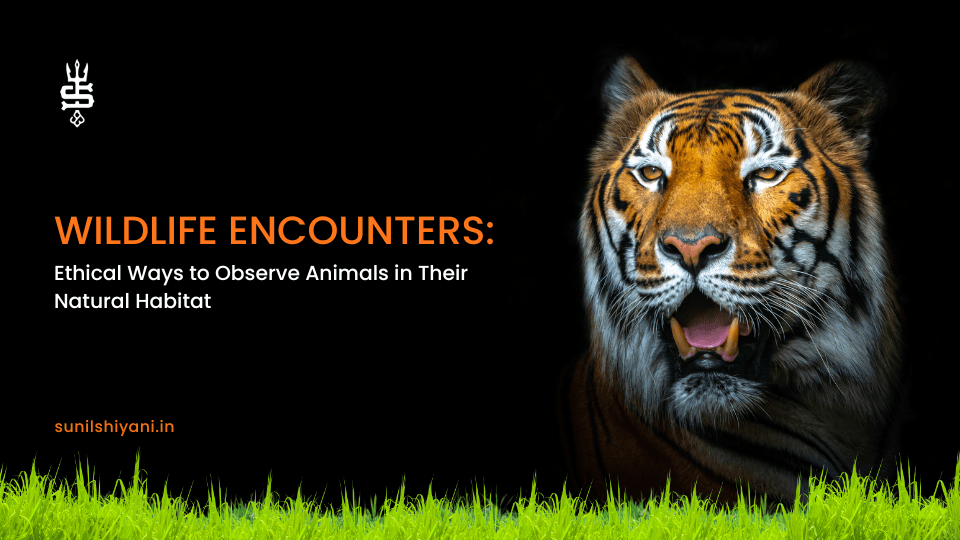
Wildlife Encounters: Ethical Ways to Observe Animals in Their Natural Habitat
February 10, 2026
As an avid animal lover, my passion for wildlife runs deep. I, Sunil Shiyani, have always believed that animals, whether in the wild or in our care, deserve respect, compassion, and protection. My love for animals goes beyond admiration—I’m committed to actively improving their well-being and health.
Whether it’s through hands-on care, supporting conservation efforts, or simply educating others on how to respect and protect wildlife, I take every opportunity to make a positive difference. I understand the unique needs of each species and strive to create environments that allow them to thrive, all while fostering a deep connection between humans and the incredible creatures we share our world with.
Exploring the natural world and encountering wildlife up close is an unforgettable adventure. Whether you’re trekking through mountains, exploring forests, or venturing into the wild, observing animals in their natural environment can be life-changing.
However, as human activities increasingly intersect with wildlife, it becomes essential to ensure that our encounters are respectful and sustainable. Observing animals ethically not only protects them but also ensures that future generations can enjoy these incredible moments.
In this guide, I’ll explore ethical practices for observing wildlife in their natural habitats. By following these principles, you can enjoy the beauty of nature while minimizing your impact on the environment and the animals you encounter.
1. Research Before You Go
Before setting off on your wildlife adventure, it’s essential to research the animals and habitats you’re planning to visit. Understanding the behavior, migration patterns, and needs of the animals you’re likely to encounter will help you avoid disturbing them. Learning about the ecosystem will also give you a deeper appreciation of the animals and their environment.
Additionally, research the regulations and guidelines of the area you plan to visit. Some regions have specific rules for wildlife observation, including designated viewing areas, restricted times for visits, and limits on the number of visitors allowed.
2. Keep a Safe Distance
One of the most important ethical practices when observing wildlife is to maintain a safe distance. Approaching animals too closely can cause them stress, alter their natural behaviors, or even put you in danger.
- Use binoculars or a camera with a zoom lens to get a closer look without invading their space.
- Refrain from loud noises or sudden movements that might disturb the animals.
- Respect any physical barriers, such as fences or signs, that indicate safe distances.
3. Do Not Feed the Animals
Feeding wild animals may seem harmless, but it can have negative long-term consequences. Animals can become dependent on human food, leading to malnutrition or dangerous behavior changes.
Human food is often unsuitable for wildlife and can cause illness, digestive problems, or even death.
4. Stay on Designated Trails
Sticking to marked trails protects fragile ecosystems. Wandering off can damage plants, disturb animal homes, and increase the risk of unsafe encounters.
Trails are designed to guide visitors through safe and responsible viewing areas without disrupting wildlife.
5. Respect Animal Behavior
Different species react differently to humans. If an animal changes its behavior—stops eating, moves away, or shows stress—you may be too close.
Respect breeding, feeding, and nesting times, as disturbing these can have long-lasting effects on survival.
6. Leave No Trace
Leave no trace means carrying out all trash, avoiding damage to plants, and leaving nature exactly as you found it.
Even in photography, avoid disturbing animals or their habitat just to get the perfect shot.
7. Choose Eco-Friendly Tours
Choose tour companies that prioritize sustainability and ethical wildlife observation. These tours often support conservation and educate visitors.
Look for operators certified by organizations like the Global Sustainable Tourism Council (GSTC).
Wrap Up
Observing wildlife in their natural habitat is rewarding, but it must be done responsibly. Ethical wildlife observation helps preserve species and habitats for future generations.
With thoughtful preparation and deep respect for nature, your wildlife encounters can be both inspiring and sustainable.